A Year of Turbo Growth: Inside Our 2025 Apprenticeship Program
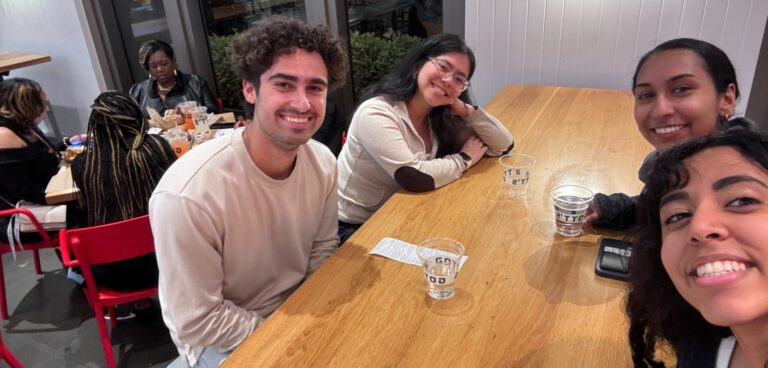
Last year, Gordian launched Aristotle’s Apprenticeship with our first cohort—Diego, Juana, Arthi, and Gayathri (pictured left to right). Over the course of the year, they became integral members of our teams, contributing to the science while growing rapidly as biotech professionals.
We launched the program with a simple belief: the best way to learn biotech is to be fully embedded in it. That means doing real work, taking real ownership, and building the knowledge and habits that make you effective long‑term. The Apprenticeship is designed as a year‑long experience that combines hands‑on project work with structured learning, mentorship, and exposure to how a biotech company actually runs.
As we prepare to welcome the next cohort, we asked our apprentices to reflect on the year: why they joined, what surprised them, and what they’d tell someone considering applying. A few themes kept coming up:
An On-Ramp for Curious Scientists
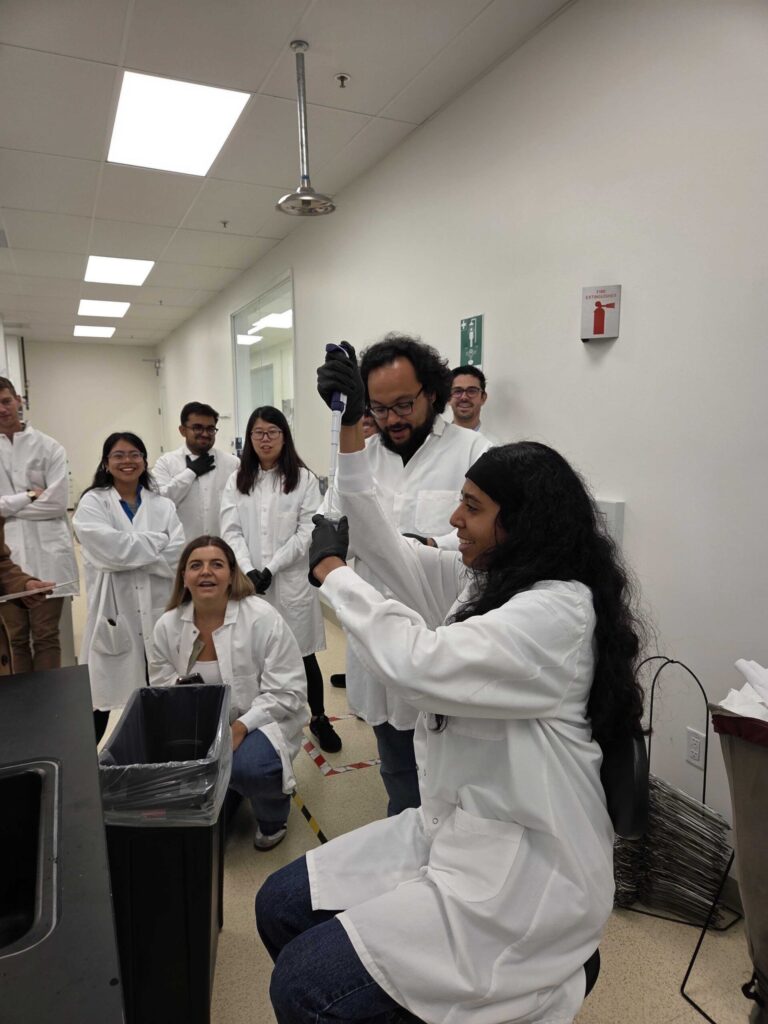
A lot of early-career roles assume you already have a well-defined plan. We built this program for a more common reality: you’re deeply curious, excited by ambitious science, committed to learning, and still figuring out what kind of biotech work fits you best.
For Arthi, the apprenticeship offered space to explore that question while directly working towards new medicines:
“I had graduated from college knowing I wanted to pursue a career in biotech, but I wasn’t sure the exact path I wanted to take.”
Juana saw the program as a bridge into industry:
“I had no previous experience in industry and only had research internships in academic labs. I wanted to pivot into biotech and thought the apprenticeship program would be a great segue.”
And for Gayathri, the year was a deliberate challenge before starting her PhD:
“I wanted a chance to dive into something new and challenge myself before starting school. I could tell the team cared deeply about their work and approached it with real rigor.”
Real Work, Early Ownership
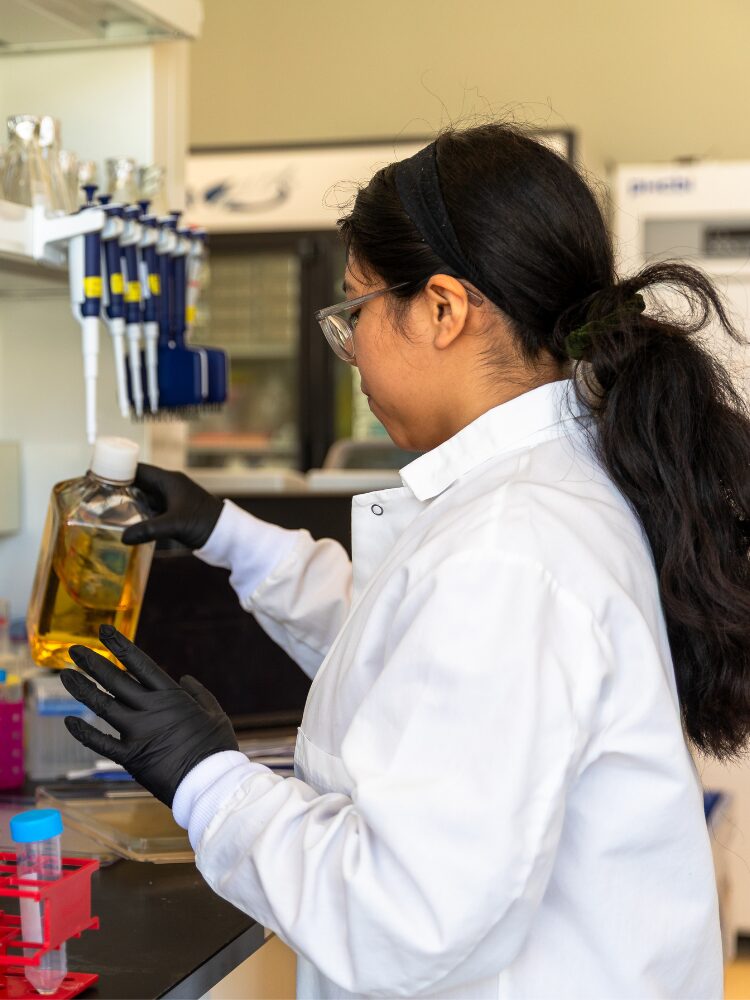
The fastest way to learn isn’t to watch from the sidelines. From the start, apprentices join as full‑time team members and contribute to projects that matter. Ownership comes early and grows quickly.
Juana described how that looked in practice:
“In my first month, I was given a small project, and I was able to take full ownership while learning new assays. Over time, the scope got bigger. Each project was meaningful and impacted the company. I learned project management, presentations, and scientific writing.”
Diego echoed that same trajectory:
“In my first months, I was already developing data that was presented at Keystone [conference]. Over the course of the year, I took on individual projects and built out my own realm of ownership.”
Arthi reflected on stepping into an entirely new technical area:
“I helped contribute to the single-cell sequencing pipeline at Gordian and believe that the team’s great organization and mentorship allowed me to make important contributions early on. I had no prior experience, but gained an extensive understanding of sequencing principles.”
Gayathri immediately jumped in to build tools still in use today:
“I built computational tools that helped scientists at Gordian make decisions around target selection and analysis, making it easier to interpret across teams with different backgrounds.”
The “Wider Lens” of Industry Exposure
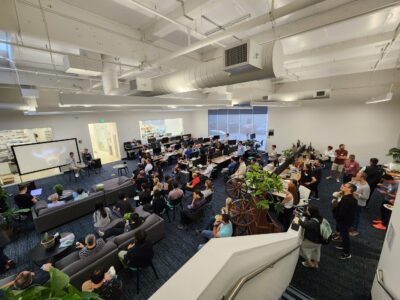
While project work anchors the apprenticeship, the program is intentionally broader than any one role. We designed it to be a holistic experience, one that builds not only technical skill, but also an understanding of the business of science.
Through Masterclasses, Journal Clubs, and the Brown Bag speaker series, apprentices get a front‑row seat to how biotech decisions are made and how science moves from idea to impact.
Diego noted that this structure prioritizes access:
“Program events prioritize face‑to‑face time with senior Gors, which really helps you integrate into the culture.”
For Arthi, those sessions provided valuable context beyond the bench:
“I’m glad I got to learn the other layers of the biotech industry that go beyond the lab and think about broader challenges companies face downstream.”
Juana’s experience was similarly expansive; she found herself in conversations with FDA scientists, authors, and company founders, gaining insight into a wide range of roles across biotech.
Support Systems and Mentorship
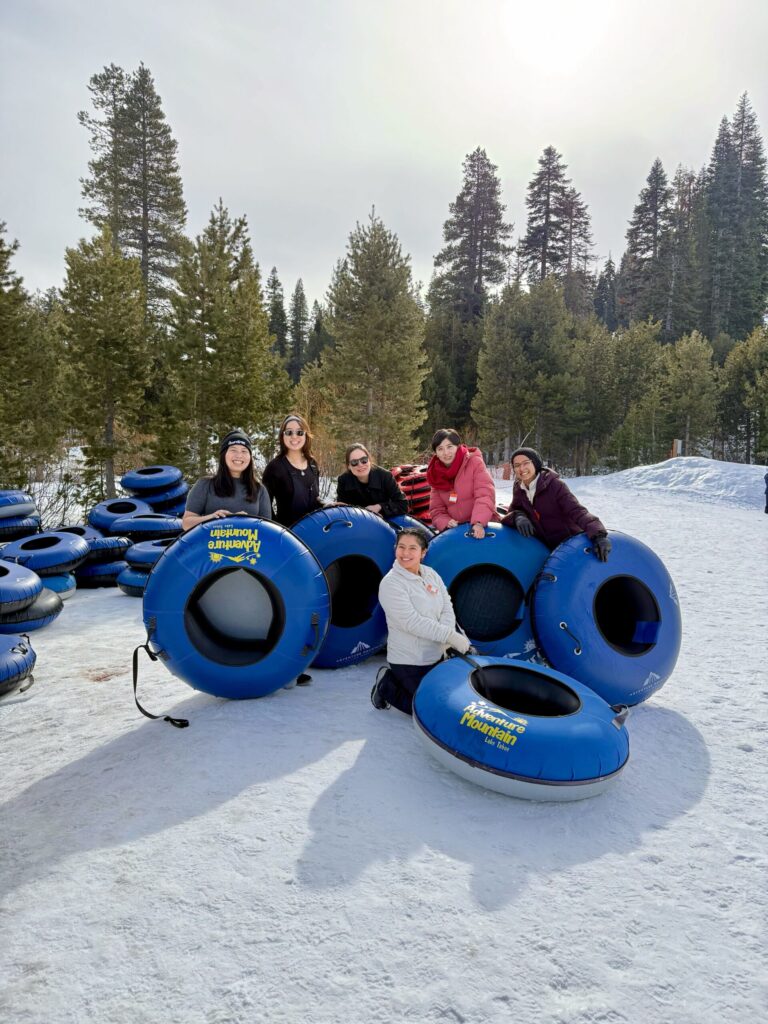
You can’t grow quickly without support. At Gordian, asking questions, pulling someone into a problem, and learning out loud are all part of the culture. Each apprentice is paired with a manager and dedicated mentors, but support extends well beyond formal structures.
As Gayathri put it:
“It wasn’t just my immediate team; people across the company were generous with their time and advice. That made the year feel much bigger than just my day‑to‑day work.”
For Juana, mentorship also meant intentional career development:
“We had monthly ‘happiness 1:1s’ where my manager checked in on my goals, stress levels, and growth—not just the science.”
And Diego highlighted the value of everyday collaboration:
“Some of the most valuable moments came from borrowing someone from an adjacent team for a ‘two‑minute question’ that turned into insight I still use every day.”
The Culminating Capstone Project
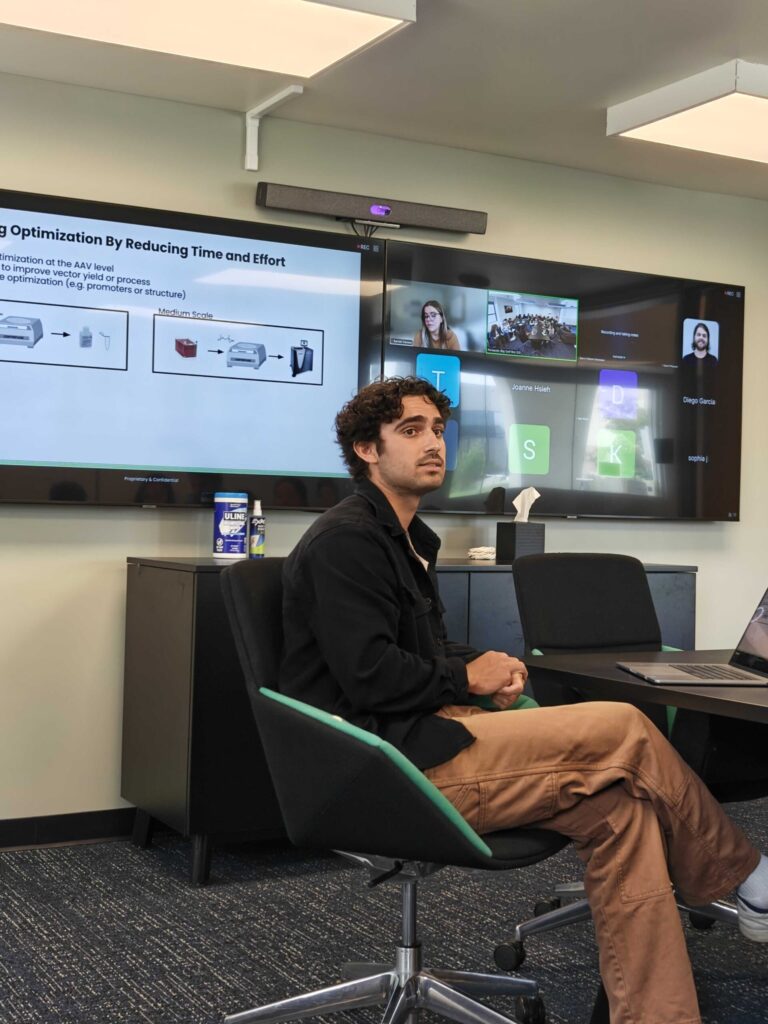
All of this training and support leads to the Capstone Project, where apprentices are challenged to propose and execute a stretch project that improves Gordian’s science or strategic operations. These projects are far from theoretical; they are designed to have a meaningful impact on the company’s platform.
For Juana, the project stood out because “it felt like I was contributing more than just labor, I was contributing ideas among scientists” and allowed her to learn new skills and “become more familiar with our platform technology, project management skills, presentations and scientific writing.”
Meanwhile, Gayathri’s project focused on building something that “fits how people actually work.” She created a curation tool that introduced data-driven methods to represent biologically healthy and diseased signals.
By the end of the year, these presentations served as a true culmination of our apprentices’ growth, proving they were ready for the next step in their careers.
To the Next Class:
When asked what they’d tell future apprentices, the message was consistent: don’t self‑select out, and don’t be quiet:
Juana: Apply apply apply! Don’t discount yourself because you have little industry or academic lab experience.
Arthi: Ask as many questions and talk to as many people as possible.
Gayathri: Be thoughtful and thorough with everything you do… who uses it, how some results might be interpreted, and what context they need.
Diego: There is so much to learn from the people around you. Pay attention to how people go about their days, observe their habits, and don’t be afraid to try different things and find a cadence that works for you!
Interested in Joining the Next Cohort?
Gordian’s Apprenticeship Program is a year‑long, full‑time opportunity based onsite in South San Francisco, starting in June. It’s designed to pair real project ownership with mentorship, structured learning, and a front‑row seat to building science in an early-stage biotech.
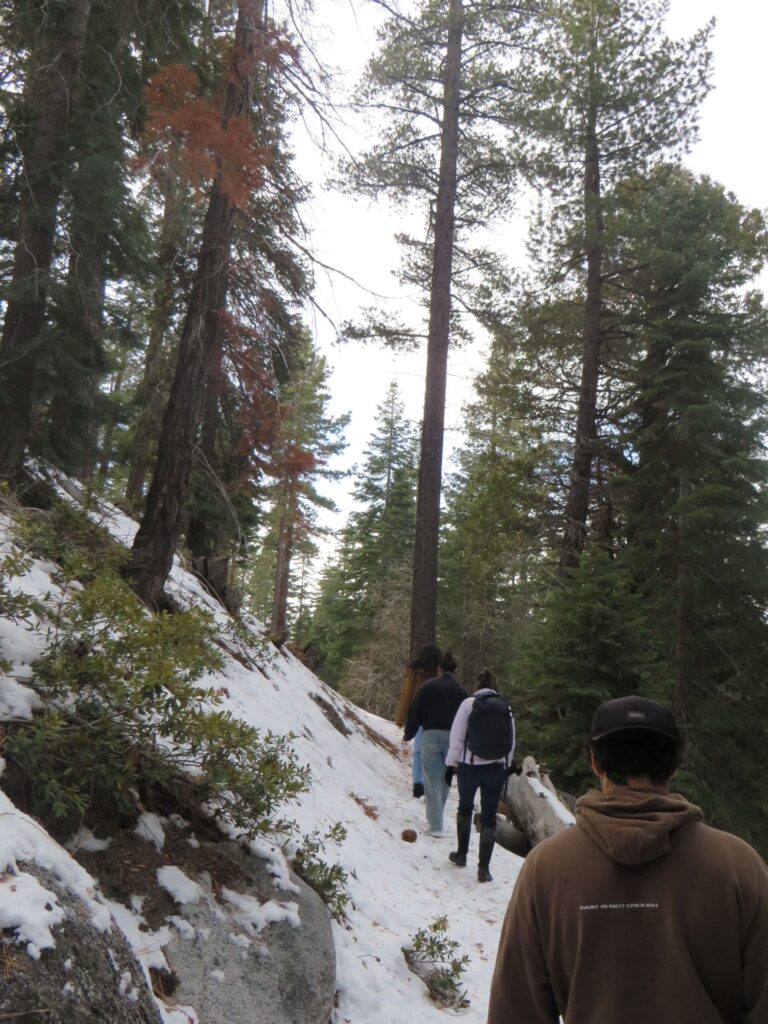
And while the science is fast‑paced, we make sure the culture keeps up. We make time to build real relationships, whether that’s team bonding at the Exploratorium or at company retreats, because great science happens when people genuinely enjoy working together.
If what you read here sounds like the kind of year that would accelerate your growth, applications for this year are now open! And if you don’t check every box on day one, that’s okay. The right apprentices are the ones who show up with curiosity, initiative, and the willingness to become more capable than the day before.